Residential Drain Cleaning Tacoma and the Benefits of Proactive Drain Maintenance
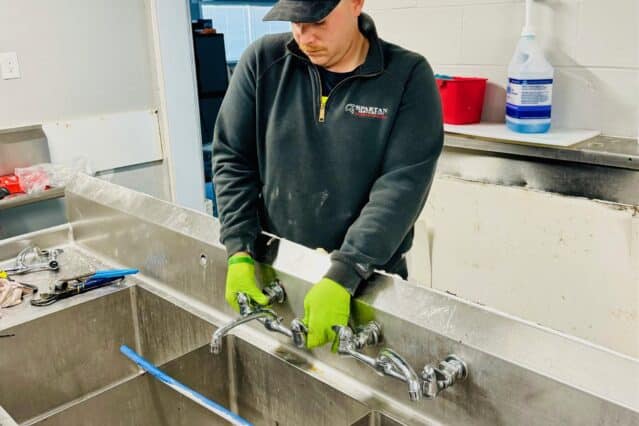
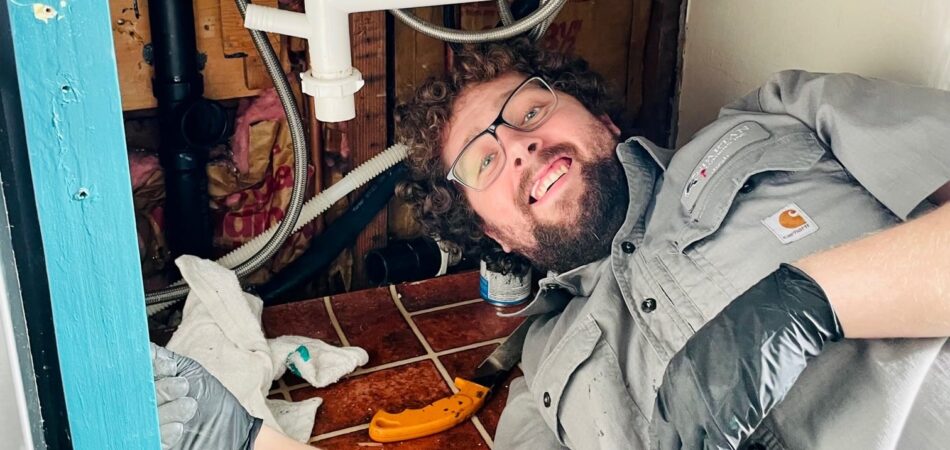

A drain problem rarely starts with a dramatic backup. More often, it announces itself quietly. Water lingers around the shower drain a little longer than usual. The kitchen sink gives off a stale odor that seems to come and go. A downstairs toilet gurgles when the washing machine drains. Homeowners often live with these symptoms Residential Drain Cleaning Tacoma for weeks or months because the system still appears to work. Then one busy morning or holiday weekend, the line stops moving water altogether.
That pattern is exactly why proactive drain maintenance matters. In residential plumbing, small restrictions become major blockages through repetition. Soap residue catches hair. Grease sticks to the inner wall of a kitchen line. Scale tightens old galvanized piping. Roots find a tiny crack in a buried sewer lateral and keep growing. None of this is unusual, especially in a place like Tacoma, where many homes range from newer construction to properties that have seen decades of seasonal rain, shifting soil, and routine wear.
Homeowners looking into Residential Drain Cleaning Tacoma services are often reacting to an urgent problem, but the more practical and less expensive approach is to stay ahead of trouble. A clean, well-maintained drain system performs better, smells better, and is far less likely to surprise you with an emergency.
Why Tacoma homes face unique drain challenges
Tacoma presents a mix of conditions that make drain maintenance more important than many people realize. The city has neighborhoods with older homes, mature trees, and plumbing systems that were installed long before today’s expectations for water use, kitchen habits, and fixture loads. Even in newer homes, the local climate can contribute to recurring trouble, especially when stormwater and groundwater expose weak points around exterior drainage or underground sewer lines.
In older properties, the piping material itself often tells part of the story. Cast iron can corrode internally and develop a rough texture that catches debris. Clay sewer lines can separate at joints, inviting root intrusion. Orangeburg pipe, still found in some older systems across the region, can deform over time and restrict flow. Galvanized drain branches can narrow gradually as mineral buildup accumulates. A house may seem fine on the surface while the inside of the drain line has already lost a meaningful percentage of its carrying capacity.
Tacoma’s Residential Drain Cleaning Tacoma tree canopy is another factor. Mature landscaping adds character and value, but roots are relentless where moisture is available. A tiny leak or weak joint in a sewer lateral acts like a beacon. Once roots enter the pipe, they trap paper and waste, then thicken into a blockage that routine plunging cannot solve. I have seen lines that were technically still open but narrowed enough that every large water discharge, such as a bathtub or laundry cycle, caused backing up at the lowest fixture.
The weather also matters. Long wet periods saturate soil and can intensify movement around aging underground lines. That does not mean every rainy season creates a sewer problem, but vulnerable pipes tend to reveal themselves faster in those conditions. Homeowners often connect a backup to a single event when the real cause has been developing for years.
What “proactive” actually means for drain care
Proactive maintenance is not the same as pouring random products down a drain every few weeks. In fact, many store-bought chemical cleaners create more problems than they solve. They may burn through a soft blockage temporarily, but they do nothing for scale, root intrusion, pipe sagging, or recurring grease buildup farther down the line. On older piping, repeated chemical exposure can be especially hard on the system.
Real proactive maintenance means understanding how your drains behave, addressing minor symptoms early, and using the right cleaning method for the right line. It is less about reacting to a single clog and more about preserving the function of the whole drainage system.
A good maintenance approach typically includes periodic inspection, targeted cleaning, and practical household habits. In some homes, that may mean a kitchen line cleaning every year or two because the family cooks frequently and uses a disposal heavily. In another home, the main sewer may benefit from routine camera inspection because roots have been an issue before. There is no one-size-fits-all schedule, which is one reason experienced professional judgment matters.
The difference between a clog and a system problem
One of the most common misunderstandings in residential plumbing is treating every slow drain as an isolated event. A bathroom sink that drains slowly can certainly have a local blockage near the stopper or trap. That is common and usually straightforward. But when multiple fixtures show symptoms, or when one fixture reacts while another is in use, the issue may involve a branch line, a venting problem, or the main sewer line.
That distinction matters because the method that clears a local hair clog is not the same method used to restore a partially obstructed sewer lateral. Homeowners sometimes clear the symptom but leave the underlying restriction in place. A shower may start draining after a basic auger, but if the branch line still has heavy soap and biofilm coating the pipe wall, the problem returns quickly. The same is true in kitchens. A sink can open up after temporary pressure is applied, yet still have thick grease lining the pipe like candle wax on the inside of a jar.
This is where professional drain cleaning earns its value. A proper service visit is not just about making water go down today. It is about identifying whether the issue is local, systemic, recurring, or structural.
Early warning signs homeowners should not ignore
Most serious drain emergencies send smaller signals first. The trick is recognizing them before they turn into water damage, sanitation issues, or a weekend callout.
- Water draining slowly at more than one fixture
- Gurgling sounds from toilets or nearby drains
- Persistent drain odors, especially in kitchens or lower bathrooms
- Backups at the lowest fixture in the home, often a tub or basement drain
- Frequent need to plunge the same toilet or sink
Any one of these may seem manageable on its own. Taken together, they often point to a drain line that is already partially obstructed. The cost difference between routine maintenance and emergency restoration can be significant, especially if overflow cleanup or flooring damage enters the picture.
Why professional drain cleaning works better than quick fixes
Homeowners naturally try simple remedies first. A plunger, a hand snake, trap cleaning, or removing visible hair from a shower drain can absolutely solve minor issues. There is no reason to call a professional to retrieve a toothpaste cap from a bathroom sink trap if you can do it safely in ten minutes.
The trouble begins when those basic efforts become a substitute for diagnosis. Repeated plunging on a toilet that backs up every few weeks does not fix the branch line. Store chemicals do not remove tree roots. Boiling water may soften fresh grease near the sink, but it will not restore the diameter of a line that has built up residue over months or years.
Professional drain cleaning usually involves tools designed to match the condition of the pipe and the nature of the blockage. Cable machines can cut through tough obstructions and restore flow. Hydro jetting, when appropriate for the pipe condition, scrubs the line wall far more thoroughly than a small cable pass. Camera inspection allows a technician to see whether the line is clean, cracked, offset, root-filled, bellied, or deteriorating. That last piece is important because some recurring “clogs” are really symptoms of a damaged pipe that no amount of routine snaking will permanently fix.
In practical terms, a homeowner may spend money three or four times on temporary drain clearing before finally paying for a proper inspection that reveals the actual issue. Proactive maintenance compresses that cycle. Instead of guessing, you get information, targeted cleaning, and a plan.
The financial case for staying ahead of drain problems
People often think of maintenance as an extra expense, but with drains it is usually the cheaper path. Emergency calls tend to happen at inconvenient times and under stressful conditions. If a kitchen sink stops during holiday cooking or a sewer line backs up into a downstairs shower on a Sunday, the decision is no longer about timing or price optimization. It is about immediate damage control.
A planned maintenance visit is different. It gives the technician time to assess the system, recommend only what the line actually needs, and address developing issues before they become destructive. In many homes, periodic cleaning can prevent the kind of full stoppage that causes contaminated water to overflow indoors. Once sewage or gray water reaches flooring, trim, drywall, or stored belongings, the plumbing bill may become the smallest part of the problem.
There is also a less obvious savings factor: extending the useful life of the system. Consistent buildup, standing water in a partially blocked line, and root intrusion all place more stress on aging pipes. Cleaning does not reverse structural deterioration, but it can reduce the conditions that accelerate failure or mask warning signs.
I have seen households postpone service because the sink was “still usable,” only to pay for emergency clearing, line locating, camera work, and cleanup a month later. I have also seen homeowners spend a modest amount on routine maintenance and avoid a backup for years. The difference is often timing, not luck.
Kitchens are where many drain issues begin
If there is one area of the home that benefits from disciplined drain habits, it is the kitchen. Bathroom blockages tend to involve hair, soap, and occasional foreign objects. Kitchen drains deal with grease, oils, starches, coffee grounds, food scraps, detergent residue, and sometimes disposal waste pushed farther down the line than it should be.
Grease is especially deceptive. It may go down hot and liquid, but it cools quickly and adheres to pipe walls. Then other debris sticks to that film. Over time, the inside diameter of the pipe shrinks. Water still moves, just not freely. That is why many kitchen lines fail gradually, first with odors, then with slow drainage, and finally with complete stoppage.
A garbage disposal can add to the problem when it encourages people to send fibrous, starchy, or fatty materials into a line that was never meant to function like a food waste grinder at commercial scale. Rice, pasta, celery strands, eggshells, and grease are frequent contributors to recurring kitchen clogs. The disposal chops waste, but it does not make that waste disappear.
Bathrooms have their own pattern of buildup
Bathroom drains tell a different story. Hair is the obvious culprit, but soap residue and personal care products often do just as much damage over time. Thick conditioners, shaving creams, bath products, and high-residue soaps can combine into a sticky mass that catches everything behind it. In homes with several occupants, the rate of accumulation can be surprisingly fast.
Toilets deserve special mention because they are often blamed for main line issues they did not cause. A toilet that bubbles or drains sluggishly after flushing may be the first visible sign of a partial sewer blockage elsewhere in the system. Low-flow toilets also tend to expose line restrictions sooner because they move less water by design. That is not a flaw in the fixture. It simply means the drainage path needs to be in good shape to carry waste efficiently.
What a proper maintenance visit should include
Not every home needs the same level of service, and a reputable drain professional should say that plainly. Some houses benefit from a focused cleaning at one problem area. Others need a broader review because the symptoms suggest a deeper issue. The goal is not to sell the most aggressive service by default. The goal is to match the solution to the system.
In many Residential Drain Cleaning Tacoma calls, a thoughtful maintenance visit includes a conversation about the home’s age, prior backups, fixture behavior, and landscaping. If roots have been a recurring problem, camera inspection often makes sense. If a kitchen line clogs every year, the cleaning method should aim to remove buildup from the pipe wall, not just punch a hole through the middle. If a main line shows sagging or structural failure, the homeowner should hear that directly rather than being sold repeated cleanings that only delay the inevitable repair.
This is one of those areas where experience shows. An honest technician does not promise that cleaning will solve a structural defect, and a skilled one knows when a line is a candidate for maintenance versus replacement planning.
Sensible habits that support professional drain maintenance
Homeowners cannot control the age of their sewer lateral or the location of tree roots, but they can reduce routine buildup inside the home. Good habits do not eliminate the need for professional service in every house, though they often extend the interval between cleanings and reduce the severity of problems.
- Keep grease, cooking oil, and pan drippings out of the kitchen drain
- Use strainers where hair and food scraps are common
- Treat repeated slow drains as early warnings, not annoyances to ignore
- Schedule inspection sooner if your home has an older sewer line or a root history
- Be cautious with chemical drain cleaners, especially in aging pipe systems
None of these steps are complicated, but they work best when practiced consistently. Drain systems fail from accumulation far more often than from a single dramatic mistake.
When hydro jetting makes sense, and when it does not
Hydro jetting gets a lot of attention because it is effective, and in the right situation it absolutely is. Pressurized water can clear grease, sludge, soap buildup, and some root intrusion far more thoroughly than a simple cable pass. For heavily fouled kitchen lines or recurring buildup in accessible pipe with sound structural condition, it can be the best option.
But hydro jetting is not a universal answer. On fragile or compromised piping, especially where deterioration is significant, a technician should verify condition before recommending high-pressure cleaning. That is where camera inspection matters. If the line has collapsed sections, severe offsets, or advanced material failure, pressure alone is not the solution. Good drain service is not about using the most impressive tool. It is about using the right one.
The value of knowing your home’s plumbing history
One thing experienced homeowners do well is keep track of patterns. They know which bathroom has always drained a bit slower. They remember that the sewer line was rooted two years ago. They notice that backups happen more often during heavy holiday kitchen use or after long rainy periods. That kind of memory helps service professionals narrow the problem faster.
If you have recently bought a home in Tacoma and do not know the plumbing history, a preventative sewer camera inspection can be a smart baseline, especially for older properties with mature landscaping. It is not necessary in every single purchase, but in the right home it can reveal conditions that would otherwise remain hidden until a backup occurs. A line can function and still be one root mass away from failure.
Choosing the right time to call for service
The best time to call is not when wastewater is already on the floor. It is when the signs become consistent. A drain that slows once after a heavy use day is not always a crisis. A drain that slows repeatedly, smells, gurgles, or affects nearby fixtures deserves attention.
Homeowners sometimes wait because the problem seems intermittent. Intermittent issues are often exactly the ones worth checking. They suggest a line that still passes water but no longer has adequate margin. That margin matters. Plumbing systems do not need to be completely blocked to be unhealthy. Partial restrictions create stress, odor, inconvenience, and risk long before they become total stoppages.
A proactive call also gives you more control over scheduling. You can choose a convenient time, ask informed questions, and make decisions without the pressure of an active overflow. That alone changes the experience.
Drain maintenance is really about protecting the house
People tend to think of drain cleaning as a narrow plumbing service, but it is really part of broader home protection. Healthy drains support sanitation, preserve finishes, prevent moisture damage, and reduce the chance of disruptive emergencies. They also make a house easier to live in every day. Sinks empty properly. Showers do not pool around your feet. Toilets flush without drama. The home feels clean because the system beneath it is doing its job.
That is the practical benefit of proactive maintenance. It turns drain care from a crisis response into routine stewardship. For Tacoma homeowners, especially those in older properties or homes surrounded by mature trees, that shift can make a real difference in both cost and peace of mind.
Residential Drain Cleaning Tacoma services are most valuable when they happen before the backup, not after it. A little attention at the right time often prevents the kind of problem that no homeowner wants to meet on a rushed weekday morning.
Spartan Plumbing Services
Address: 760 107th St S, Tacoma, WA 98444
Phone number: +12534998773
FAQ About Residential Drain Cleaning Tacoma
How much does it cost to have someone clean your drains?
Professional drain cleaning costs between $147 and $352 on average, with most homeowners paying around $246. The final price is heavily determined by the type of drain affected, the clearing method needed, and your geographic location.
How much does it cost to clean a drain line?
Professional drain cleaning costs between $147 and $352 on average, with most standard residential jobs landing right around $246. However, your final bill can scale from $100 to over $800 depending entirely on which drain is clogged and the method required to clear it.
Is professional drain cleaning worth it?
Yes, professional drain cleaning is worth it because it clears deep buildup and prevents expensive plumbing emergencies.